
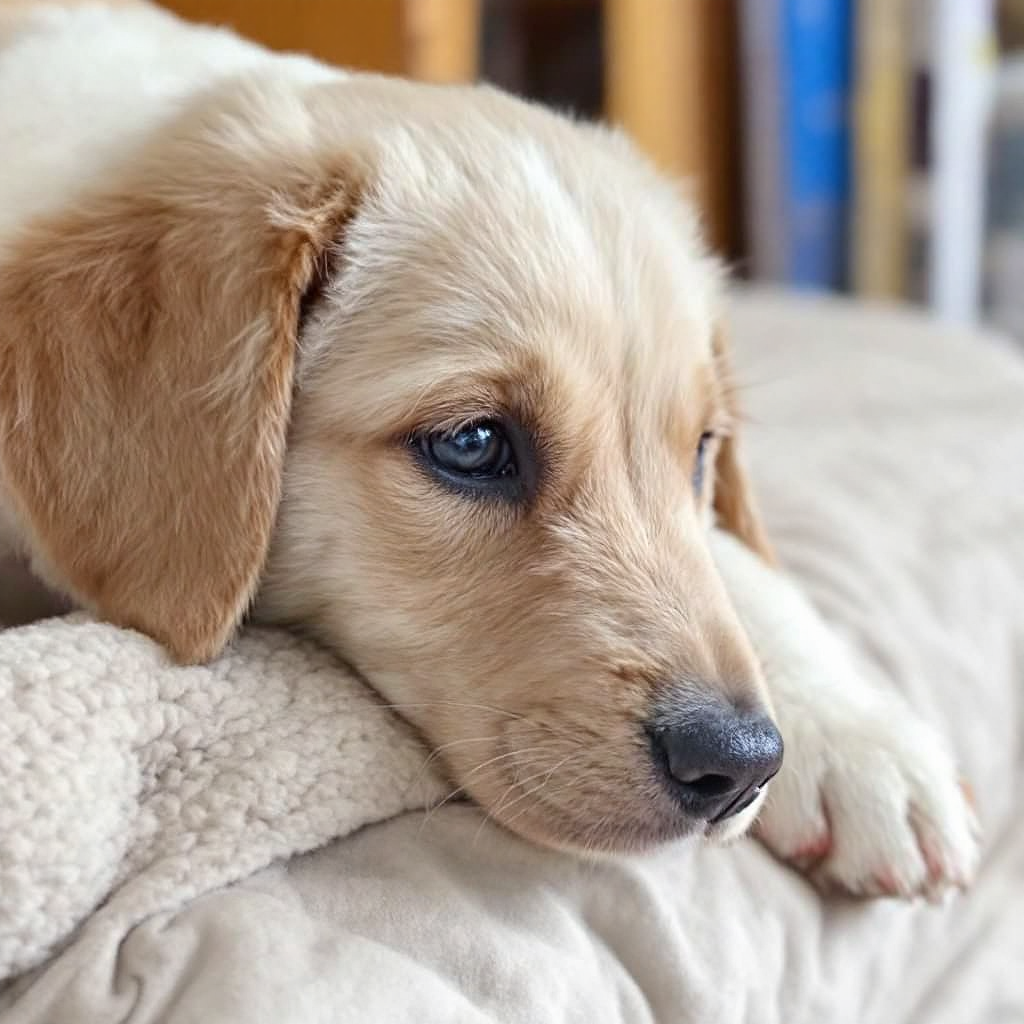

To prevent puppy separation anxiety is easier than you think! Start by crate training and creating a cozy, secure space for your pup. Gradually introduce alone time, increasing it slowly so they can adjust without panic. Engaging activities like daily walks and puzzle toys keep their minds busy and reduce anxiety. Consistent routines for feeding and play help your puppy feel secure. Remember to stay calm when you leave, and use positive reinforcement to encourage independence. With these tips, you’ll foster a happy, confident dog. Stick around, and you’ll discover even more ways to support your furry friend!
Understanding Separation Anxiety
Separation anxiety in puppies can be a real challenge for both you and your furry friend. It often manifests as excessive barking, destructive chewing, and even indoor accidents when you leave. This anxiety typically develops because your puppy hasn’t learned how to cope with alone time. If they haven’t had enough prior experiences being alone or have faced traumatic events, it can lead to significant stress.
Preventing separation anxiety starts with early puppy training and socialization. By helping your puppy build positive associations with being alone, you can foster their independence.
Consider introducing alone time gradually, beginning with short intervals. This gradual increase in alone time will help your puppy adjust without feeling overwhelmed.
Training sessions can focus on crate training, making their space a safe haven. You want to help your puppy feel secure when they’re alone.
Stop Canine Distress Before It Starts
Creating a comfortable space for your puppy can make all the difference in easing their anxiety when you’re away. Designate a safe area, like a utility room or kitchen, where your puppy is comfortable and can feel secure.
Equip this space with a cozy bed, fresh water, and chew toys to keep them entertained during those periods of time apart. Consider adding background noise, like a quiet radio, to create a soothing environment that helps alleviate anxiety in dogs.
It’s essential to familiarize the puppy with this area by spending time there. Play and engage with them to foster positive associations, making them feel safe and relaxed when you’re not around.
Avoid using this space as a form of punishment, as you want to maintain its inviting atmosphere. You can also enhance their comfort with pheromone products like Adaptil to promote relaxation.
Train Young Dogs to Stay Calm
Training your puppy to feel comfortable when left alone is essential for preventing anxiety. Start by gradually increasing the time your puppy spends alone.
Begin with short periods, just a few minutes, and slowly extend that duration as your furry friend gets more comfortable. Positive reinforcement is key here—reward them with treats or praise when they stay calm during these separations. This helps create positive associations with being alone.
Establishing a consistent routine is crucial. When you leave, maintain a calm demeanor; if you act like your departure is a big deal, your puppy will too, which can heighten their anxiety response.
Additionally, desensitize your puppy to departure cues, like picking up keys or putting on shoes, by practicing these actions without actually leaving, which can reduce anxiety.
Engaging Activities to Prevent Puppy Separation Anxiety
Helping your puppy feel secure when alone doesn’t just rely on training techniques; engaging activities play a significant role too. By integrating fun and stimulating activities into your puppy’s routine, you can help reduce boredom and the risk of separation anxiety.
Start with regular exercise—daily walks and playtime are essential for burning off that puppy energy. A tired puppy is less likely to exhibit anxious behaviors when left alone.
Don’t forget about chew toys, especially those stuffed with treats or frozen. They can keep your puppy happily distracted and promote positive chewing behavior.
Incorporate puzzle toys and interactive feeders to provide mental stimulation; these engaging activities keep your pup occupied and challenged.
Training sessions that teach fun tricks not only strengthen your bond but also build your puppy’s confidence and self-reliance.
Lastly, socialization is key. Arrange playdates or enroll your pup in puppy classes to help them adapt to being around other dogs and people, making them more comfortable when you’re not home.
With these engaging activities, you’ll foster a happier, more relaxed puppy who can handle alone time with ease!
Help Pups Master Time Home Alone
Building your puppy’s independence and confidence is all about setting them up for success while you’re away. Start with gradual separation; try leaving them alone for just a few minutes, then slowly increase that time as they become more comfortable.
Establishing a consistent routine for feeding, playtime, and walks creates a sense of security, which is crucial for building confidence.
Engage your puppy with interactive toys that encourage self-reliance. These toys can keep them entertained and help them learn to enjoy their own company.
Pair this with positive reinforcement when they successfully engage in solo play or learn new commands. This not only enhances their skills but also boosts their self-esteem.
Creating a safe space, like a cozy crate or a puppy-proof area, allows them to relax without anxiety symptoms. When you provide a nurturing environment, your puppy can learn to be alone without stress.
Build Your Dog’s Solo Comfort Zone
Once your puppy starts to feel more independent, the next big step is socialization and predictability. Engaging your pup in a variety of positive experiences with different people, environments, and other animals is key. This early socialization helps build their confidence and adaptability, making them less prone to separation anxiety later on.
Creating a stable environment is equally important. Establish predictable routines for feeding, playtime, and walks. This predictability not only provides comfort but also reinforces trust between you and your puppy. When they know what to expect, they’re likely to feel more secure during alone time.
To prevent puppy separation anxiety, practice gradual desensitization to potentially scary situations. Introduce new experiences slowly, using positive reinforcement to encourage your puppy to cope effectively. This systematic approach helps them develop coping strategies that will serve them well when you’re not around. By being responsive to your puppy’s signs of distress in a calm manner, you can better manage and prevent separation anxiety before it becomes a serious issue.
Ease Young Pet’s Alone Time Stress
Managing behavioral challenges can feel overwhelming, especially when you’re trying to ensure your puppy feels secure while you’re away.
Puppy separation anxiety can lead to excessive barking, howling, and even destructive behaviors like chewing on your furniture. To tackle these issues, start by teaching your puppy consistent training techniques that reinforce quietness with rewards.
When you leave them alone, make sure they’ve appropriate chew toys and engaging activities to redirect their energy. Physical and mental stimulation, such as interactive toys or puzzle feeders, can help alleviate boredom and anxiety.
It’s also essential to monitor their behavior, perhaps with a pet camera, so you can identify triggers and adjust your strategies.
If your puppy experiences indoor accidents when you’re gone, that’s a sign of stress. You can mitigate this by providing adequate potty breaks and gradually increasing their alone time, allowing them to adjust comfortably.
Frequently Asked Questions
How Do You Prevent Puppy Separation Anxiety?
To stop separation anxiety in your puppy, start by gradually increasing alone time, using positive reinforcement, and maintaining a consistent routine. Engage them with toys to keep them busy, and monitor their behavior for adjustments.
Do Puppies Grow Out of Separation Anxiety?
No, puppies don’t always grow out of separation anxiety. While some might mellow with age, it’s vital you address their needs early on. Training and routines can help them cope better with being alone.
How to Stop a Dog From Crying When Left Alone?
So, your dog’s auditioning for a crying role? To help, start with short alone times, provide distraction toys, stay calm during goodbyes, and create a routine. Soon, they’ll be a solo superstar!
Why Does My 4 Month Old Puppy Cry When Left Alone?
Your 4-month-old puppy might cry when left alone because they’re still adjusting to solitude. They may feel uncomfortable or bored, so ensuring proper exercise and gradually increasing alone time can help ease their distress.
Conclusion
In the journey of raising your puppy, think of separation anxiety as a storm cloud that can be weathered with the right preparation. By creating a safe space, using effective training, and building your pup’s independence, you can turn those clouds into sunshine. Remember, consistency and love are your best tools. With patience and the right strategies, you’ll help your furry friend feel secure, even when you’re apart. So, let’s chase those storm clouds away together!