
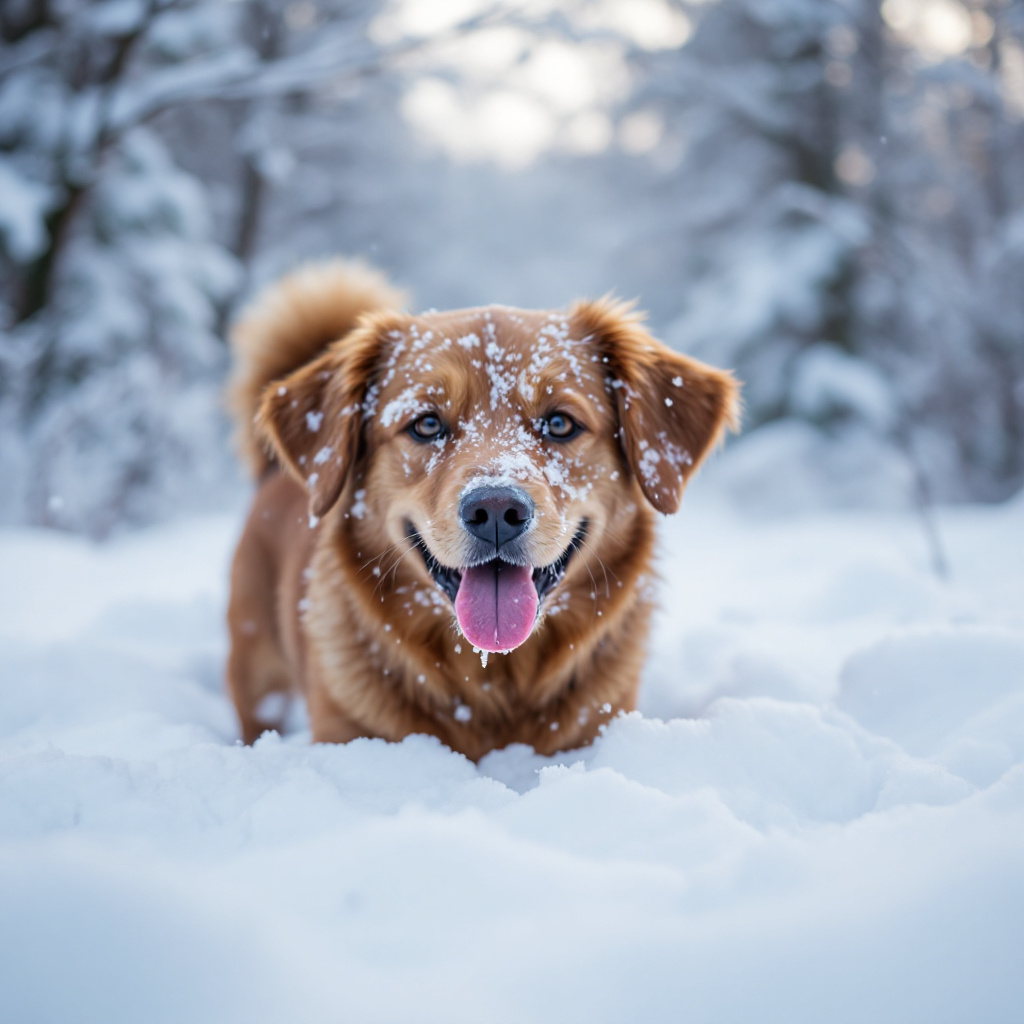

Winter Anxiety Management for Dogs
Effective anxious dogs winter care starts with understanding how cold weather affects your pet’s emotional well-being. When temperatures drop, many dogs experience increased stress levels, displaying signs like excessive barking, trembling, or seeking hiding spots. To help your furry friend cope, create a dedicated comfort zone with warm blankets and familiar toys, while maintaining a predictable daily schedule. Veterinary experts recommend limiting outdoor exposure during extreme cold and using properly fitted sweaters for additional protection. Monitor your pet closely for severe anxiety symptoms, such as refusing to go outside or showing unusual behavioral changes. If these signs persist, consulting a veterinary behaviorist can provide professional guidance for managing your dog’s winter-related stress. With proper attention and care, you can help your anxious companion navigate the challenging winter months more comfortably.
Nervous Pets Surviving Cold Season Stress
Many dog owners underestimate the impact of anxiety on their furry friends, especially during colder months. As temperatures drop, your dog may feel more anxious due to changes in their environment, like fewer outdoor activities or increased isolation.
Understanding anxious dogs winter care is crucial, as dogs, like humans, can struggle with the chill, leading to feelings of unease. It’s essential to recognize that anxiety isn’t merely a behavioral issue; it can affect your dog’s overall well-being.
You might notice that your dog seeks comfort more often or becomes clingy. This isn’t just a phase; it’s their way of coping with stress. Understanding this can help you create a more supportive environment.
Regular routines can provide a sense of security, so try to maintain consistent feeding, walking, and playtimes, even when it gets cold outside.
Consider providing cozy spaces with blankets and toys for your dog to retreat to. If your pup has a favorite spot, encourage them to use it.
Spotting Cold Weather Stress In Pups
Recognizing the signs of anxiety in dogs is vital for their well-being, especially during the colder months when stress levels can rise. You might notice your dog exhibiting behaviors like excessive barking, whining, or pacing around the house. These can be red flags indicating discomfort or anxiety.
Watch for signs like trembling, avoiding eye contact, or hiding in corners; these behaviors suggest your dog feels overwhelmed. You may also see them engaging in destructive chewing or digging, which can stem from stress. Changes in appetite, either eating less or overeating, can also signal anxiety.
For effective anxious dogs winter care, monitor their body language closely—if your dog’s tail is tucked or they’re cowering, they may be anxious. Additionally, excessive licking or grooming can indicate nervousness, as dogs often try to soothe themselves in stressful situations.
Understanding these signs allows you to address your dog’s needs effectively. Providing a safe, quiet space and maintaining a routine can help alleviate their anxiety.
Winter’s Impact On Your Canine Friend
Cold weather can take a toll on your dog’s health and happiness, often leading to increased anxiety and discomfort. As temperatures drop, many dogs can struggle with cold stress, which might manifest as shivering or reluctance to go outside.
This can be especially true for young, elderly, or thin dogs, who often find it harder to stay warm.
Proper anxious dogs winter care often starts with recognizing seasonal changes in your pet’s behavior. You might notice your dog becoming more distressed when the weather turns chilly, leading to restlessness or changes in behavior, such as barking or whining.
Hypothermia and frostbite are serious risks, so it’s essential to monitor your pup closely during frigid days.
Soothing Nervous Pets During Cold Days
As your dog shows signs of anxiety in chilly weather, it’s important to find ways to help them feel more at ease. Start by creating a cozy indoor environment where your dog can retreat. Use soft blankets and their favorite toys to make a safe space. Consider a calming bed or crate that feels like their personal haven.
Next, try to maintain a consistent routine. Dogs thrive on predictability, and sticking to regular feeding and walking schedules can reduce their anxiety. If it’s too cold for long walks, opt for shorter outings but keep them engaged with playtime indoors.
You can also use soothing techniques like gentle massage or calming music to help your dog relax. If they’re particularly anxious, consider anxiety wraps or pheromone diffusers designed to create a calming atmosphere.
A fundamental aspect of anxious dogs winter care is not underestimating the power of your presence. Spend quality time with your dog, providing comfort and reassurance. Sometimes, just being there can make a huge difference in how they cope with the cold weather.
Secure Cold-Weather Activities For Anxious Dogs
Keeping your furry friend safe during outdoor adventures in chilly weather is essential. Start by dressing your dog appropriately; consider a sweater or coat for short-haired breeds. If they’re sensitive to the cold, booties can protect their paws from icy surfaces and harmful chemicals.
A crucial component of anxious dogs winter care involves protecting their sensitive paws during cold weather. Always inspect them after walks to check for injuries or irritation. When temperatures drop, keep outdoor excursions short to prevent discomfort or frostbite. Your dog might love the snow, but they can get chilled quickly, especially if they’re young, old, or unwell.
Be mindful of your surroundings, too. Before starting your car, check underneath for any hidden pets. Ensure they’ve access to fresh water if they need to stay outside for a bit.
Lastly, create a safe space for them if you’re spending extended time outdoors—consider a windbreak or shelter to shield from harsh elements.
Winter-Ready Homes For Anxious Canines
When the temperatures drop, creating a cozy indoor environment for your dog becomes a top priority. Start by setting up a warm, comfortable space where your furry friend can relax. Use soft bedding in a quiet corner, free from drafts and noise. A designated area will give your dog a sense of security, especially when the cold weather makes them anxious.
Consider adjusting your home’s temperature. Aim for a consistent warmth that keeps your dog comfortable, as fluctuations can cause stress. Additionally, using blankets can provide extra warmth and comfort, giving them a snug place to curl up.
You might also want to engage your dog with indoor activities. Interactive toys and puzzles can keep their minds stimulated and alleviate anxiety. Regular playtime can help burn off energy, reducing restlessness.
Lastly, be mindful of the humidity level. Dry air can affect your dog’s skin and respiratory health. A humidifier can help maintain moisture in the air, providing a more pleasant environment.
Professional Support For Cold-Weather Dog Anxiety
Recognizing when to seek professional help for your anxious dog in cold weather can make a world of difference.
If you notice that your dog’s anxiety is consistently worsening, or if they’re showing signs of distress such as excessive barking, trembling, or hiding, it’s time to reach out to a professional. These behaviors can indicate that your pup is struggling to cope with the cold and may need additional support.
Veterinarians, trainers, and animal behaviorists can provide tailored strategies to help manage your dog’s anxiety.
If your dog is refusing to go outside or is overly reactive to cold weather stimuli, don’t hesitate to consult a professional for guidance. They can assess your dog’s specific needs and recommend behavior modification techniques or even medication if necessary.
Frequently Asked Questions
Can Cold Weather Worsen Existing Anxiety in Dogs?
Yes, cold weather can indeed worsen your dog’s anxiety. The chill can make them feel uncomfortable and insecure. Keeping them warm and providing a safe space can help alleviate some of that stress.
Are Certain Dog Breeds More Prone to Anxiety in Winter?
Certain breeds, like Dachshunds and Chihuahuas, can be more prone to anxiety in winter. Their sensitivity to cold and changes in routine affects them. Understanding your dog’s needs helps you mitigate anxiety during these chilly months.
How Can I Tell if My Dog Is Cold or Anxious?
If your dog’s shivering, tucking its tail, or seeking warmth, it’s likely cold. Anxious behavior can include excessive barking or pacing. Pay attention to these signs to keep your furry friend comfortable and secure.
Do Anxiety Medications Work Differently in Cold Weather?
Anxiety medications generally don’t change effectiveness due to cold weather, but stressors can heighten anxiety levels. Keep an eye on your dog’s behavior, and consult your vet if you notice any significant changes.
Can I Use Calming Products With My Dog Outdoors?
Absolutely! You can use calming products outdoors, but ensure your dog’s comfortable and safe. Monitor their reactions, and don’t forget to provide a warm, secure environment to enhance the calming effects. Enjoy your time together!
Conclusion
By being mindful of your dog’s needs during winter, you can help them feel safer and more comfortable. Remember to adjust their routine, create a warm environment, and keep an eye out for signs of anxiety. With a little extra care and attention, you can turn the cold months into a cozy time for both of you. Don’t hesitate to seek professional help if you notice persistent anxiety—your furry friend deserves all the support they can get!