

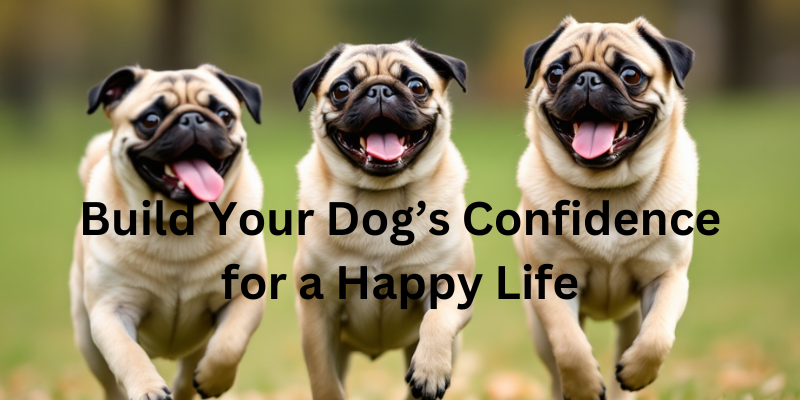
Build your dog’s confidence is crucial for their overall happiness. Start by socializing them early—between 3 to 14 weeks—exposing them to various environments and experiences. Use positive reinforcement; treats can make facing new challenges feel rewarding. Create a safe space at home where they can relax, easing any anxiety. If your pup is hesitant, gradually introduce them to new people and calm friends in controlled settings. And don’t hesitate to seek professional guidance if you need tailored strategies to tackle specific issues. There’s so much more you’ll discover about nurturing a confident, happy pup!
To make your dog more confident, gradually expose them to new experiences, use positive reinforcement, engage in fun activities, and always pay attention to their body language. Consistency is key to building trust and security.
Why Puppy Socialization Builds Confidence
When you think about bringing a puppy into your life, it’s crucial to understand that the first few weeks are pivotal for their development. This is the time for puppy socialization, where those early experiences will shape their future behaviors.
Between 3 to 14 weeks old, your puppy’s exposure to new environments, people, and other animals can set the foundation to build your dog’s confidence.
By engaging in positive reinforcement during these interactions, you’re not just teaching them to be friendly; you’re helping them learn how to interpret body language and adapt to different situations.
When meeting new friends—both furry and human—it’s essential to make every encounter a positive one. This will significantly reduce the chances of your dog developing anxiety or fearfulness later on.
Effective Methods to Boost Dog Confidence
To build your dog’s confidence is a rewarding journey, and there are plenty of techniques you can use to help them thrive. If your pup lacks confidence, start with consistent training and socialization, especially during their critical socialization window of 3 to 14 weeks old.
Gradual exposure to new environments can be a game-changer; it allows timid dogs to adapt and engage more confidently over time.
One effective method is positive reinforcement. Reward brave behaviors with high-value treats, which encourages your dog to step outside their comfort zone. Remember, every small victory counts!
Engaging in enrichment activities, like food puzzles and nose work, also stimulates mental activity, providing a sense of accomplishment that boosts overall confidence.
Creating a safe space for your dog is essential, too. Fill it with familiar toys and a quiet environment where they can retreat and relax.
This secure setting fosters confidence building and allows them to recharge when they feel overwhelmed. With patience and dedication, you can help your dog navigate their world with newfound assurance and joy!
Top Socialization Tips for Shy Dogs
Nervous dogs often need a little extra help to feel safe and confident in new situations. One effective way to support them is by gradually exposing them to new experiences and unfamiliar people. Start by keeping some distance during introductions, allowing your pup to acclimate at their own pace. This way, you can prevent overwhelming situations that might reinforce their fears.
Regular socialization opportunities are key. Invite calm friends over or take walks in busy areas, giving your dog a chance to meet new people without pressure. Remember to use positive reinforcement—treats and praise—when they engage positively, which helps them feel more confident.
Consider visiting the dog park, but only if it’s low-key at first. Monitor your dog’s body language closely; if they seem uncomfortable, adjust your approach. You want them to have fun while making progress in their social skills.
Enrolling in group training classes can also provide a supportive atmosphere for your nervous dog. With the right strategies, you’ll help your furry best friend gain the confidence they need to thrive in new environments!
Creating a Calm Space for Confidence
Creating a safe environment for your dog is essential to helping them build confidence and feel secure. Start by establishing a designated safe area, like a crate or a quiet room, where your pup can retreat during stressful times. Fill this space with familiar toys and blankets; these comforting items can significantly reduce anxiety levels and create a sense of familiarity.
Keep the environment quiet and free from distractions. A calm atmosphere allows your dog to relax, making them feel more comfortable.
It’s also crucial to maintain predictable routines. Regular feeding and walking times provide stability, helping your dog feel secure in their daily life.
When introducing new stimuli, do it gradually and from a safe distance. This prevents your dog from feeling overwhelmed and promotes a more confident adjustment to their surroundings.
Remember, the goal is to help your dog feel at ease in their environment, and by doing so, you’re laying the groundwork for a more confident companion.
With a little patience and consistency, you’ll see your dog thrive in their safe area, ready to face the world with newfound confidence!
Expert Help to Boost Confidence
Even with a safe environment in place, you might find that your dog could benefit from some extra support. That’s where a professional trainer comes in. They can provide tailored strategies specifically designed for your canine best friend, addressing those confidence issues that might be holding them back.
A trainer can identify specific areas of concern, like fear aggression or social anxiety, and develop a personalized training plan to help your dog feel more secure and confident.
Group training sessions are another fantastic option. These sessions allow dogs to interact in a controlled environment, which helps them learn essential social skills while building their confidence alongside their peers. Watching other dogs can give your dog the encouragement they need to step out of their comfort zone.
Additionally, workshops led by professionals offer valuable resources and techniques that enhance your understanding of dog behavior. Ongoing education through professional guidance ensures you stay informed about the best practices for building your dog’s confidence over time.
Frequently Asked Questions
How Do I Make My Dog More Confident?
Building your dog’s confidence involves consistent training, positive reinforcement, and gradual exposure to new environments. Socialization during early development is crucial, but it’s never too late to start. Use enrichment activities and create a safe space to encourage growth.
How Long Does It Take to Build a Dogs Confidence?
How long does it take to see your dog shine with confidence? It varies—some pups improve in weeks, while others need months. Stay patient and consistent, and you’ll witness amazing transformations over time.
Do Dogs Get More Confident With Age?
Absolutely, dogs can get more confident with age! As they gain experiences and learn from you, they build trust and better coping skills. Plus, consistent training and socialization really help boost their confidence throughout their lives.
How to Build Confidence in a Submissive Dog?
Building confidence in your submissive dog is like planting a delicate flower; nurture it with gradual exposure and positive reinforcement. Engage their mind with fun activities, and watch them bloom into a brave companion, ready to explore.
Conclusion
So, picture your pup strutting around the park, tail wagging like a little flag of joy. By focusing on socialization and building their confidence, you can help them blossom into a happy, self-assured dog. Remember, it’s all about patience and creating those positive experiences. And if you ever feel stuck, don’t hesitate to reach out for professional help. Together, you and your furry friend can embark on this exciting journey towards confidence and joy!