
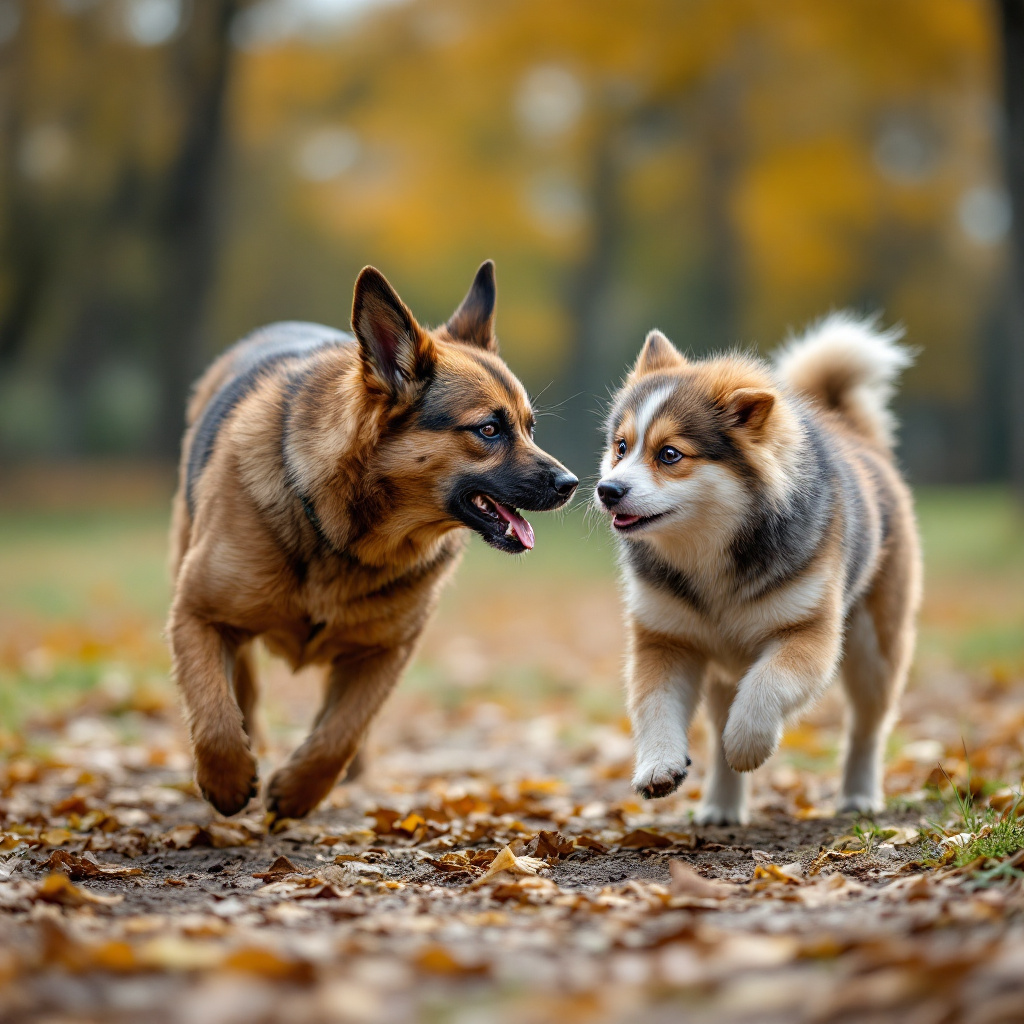

Like a storm brewing beneath the surface, both dog anxiety and aggression can manifest in ways that leave pet parents feeling helpless and confused. While these behaviors might seem similar at first glance, understanding their distinct characteristics is crucial for providing the right support to your furry family member.
Table of Contents
ToggleCheckout The Following Anxiety In Dogs Buyer Guides
Best Dog Crate For Separation Anxiety
Best Products For Dogs With Anxiety
Recognizing the Signs: Anxiety vs. Aggression
Anxiety Symptoms:
- -Excessive panting and drooling
- Destructive behavior when left alone
- Clingy behavior, following you like a shadow
- Trembling like a leaf in autumn
- Stress-induced accidents despite being house-trained
- Excessive barking or whining
- Self-soothing behaviors like excessive licking
Aggression Signals:
- Raised hackles, standing tall like a soldier
- Showing teeth and growling
- Direct, intense staring
- Lunging or charging
- Snapping without warning
- Territorial behavior
- Resource guarding
Real-Life Scenarios That Hit Home
Picture this: Your normally confident Golden Retriever transforms into a quivering mess during thunderstorms, seeking refuge under your desk like it’s their personal bomb shelter. That’s anxiety. Now contrast this with a dog who guards their food bowl like a medieval dragon protecting its treasure, complete with growls and snaps – that’s aggression.
The Science Behind the Behavior
Anxiety in dogs, much like in humans, stems from fear and uncertainty. It’s like having an overactive alarm system that sees danger in everyday situations.
Aggression, however, is more like a defense mechanism – think of it as your dog’s way of saying “Back off!” when they feel threatened or need to establish boundaries.
Solutions and Support: Creating Calm from Chaos
For Anxiety:
-
Create a Safe Haven
-
- Set up a cozy corner with their favorite bed
- Use calming music designed for dogs
- Maintain predictable routines
-
Recommended Products on Amazon:
-
- ThunderShirt Anxiety Jacket – Like a warm, comforting hug
- ADAPTIL Calming Diffuser – Creates a soothing atmosphere
- Calming Chews with L-Theanine – Natural stress relief
- Snuggle Puppy Behavioral Aid Toy – Mimics littermate comfort
For Aggression:
-
Professional Intervention
-
- Seek certified dog trainers
- Consider behavioral specialists
- Implement structured training programs.
-
Management Tools Available on Amazon:
-
- PetSafe Gentle Leader Head Collar – For better walk control
- High-value Training Treats – For positive reinforcement
- Barkless Basket Muzzle – For safety during training
- Interactive Puzzle Toys – For mental stimulation
When to Seek Professional Help
Like humans, dogs can exhibit both anxiety and aggression, but knowing when to seek professional intervention is crucial for your pet’s wellbeing. If your dog’s behavior resembles an uncontrollable situation, it’s essential to act promptly and consult experts. Professional assistance becomes particularly necessary when anxiety severely disrupts your dog’s daily routine, preventing activities like walks or social interactions. Similarly, if your pet displays aggressive tendencies that pose potential risks to family members, other pets, or visitors, immediate professional guidance is vital. When basic training techniques fail to yield positive results, or if you notice sudden, unexplained changes in your dog’s behavior patterns, these are clear red flags indicating the need for expert evaluation. Remember, early intervention can prevent these issues from escalating into more serious behavioral problems.
Daily Management
Anxiety-Busting Activities:
- Create obstacle courses using household items
- Practice nose work with hidden treats
- Establish a calming massage routine
- Use food puzzles for mental engagement
Aggression Management:
- Set up controlled training scenarios
- Practice “Look at Me” commands
- Implement reward-based boundary training
- Create distance from triggers
Prevention: The Best Medicine
Think of managing these behaviors like tending a garden – regular maintenance prevents overgrowth. Early socialization, consistent training, and understanding your dog’s body language are your best tools for prevention.
Building Trust and Confidence
Just as a house needs a solid foundation, your relationship with your dog needs trust. Spend quality time:
Conclusion: Final Thoughts
Understanding the difference between anxiety and aggression is like having a map in unfamiliar territory – it helps you navigate challenges and choose the right path forward. With patience, consistency, and the right tools, you can help your dog become their best, most balanced self.
Remember, every dog’s journey is unique, like fingerprints in the sand. What works for one might not work for another, so be patient and flexible in your approach. The key is to remain consistent, positive, and committed to your dog’s wellbeing.
By understanding these behaviors and implementing the right solutions, you’re not just solving problems – you’re strengthening the bond with your four-legged family member, creating a happier, more harmonious household for everyone involved.