
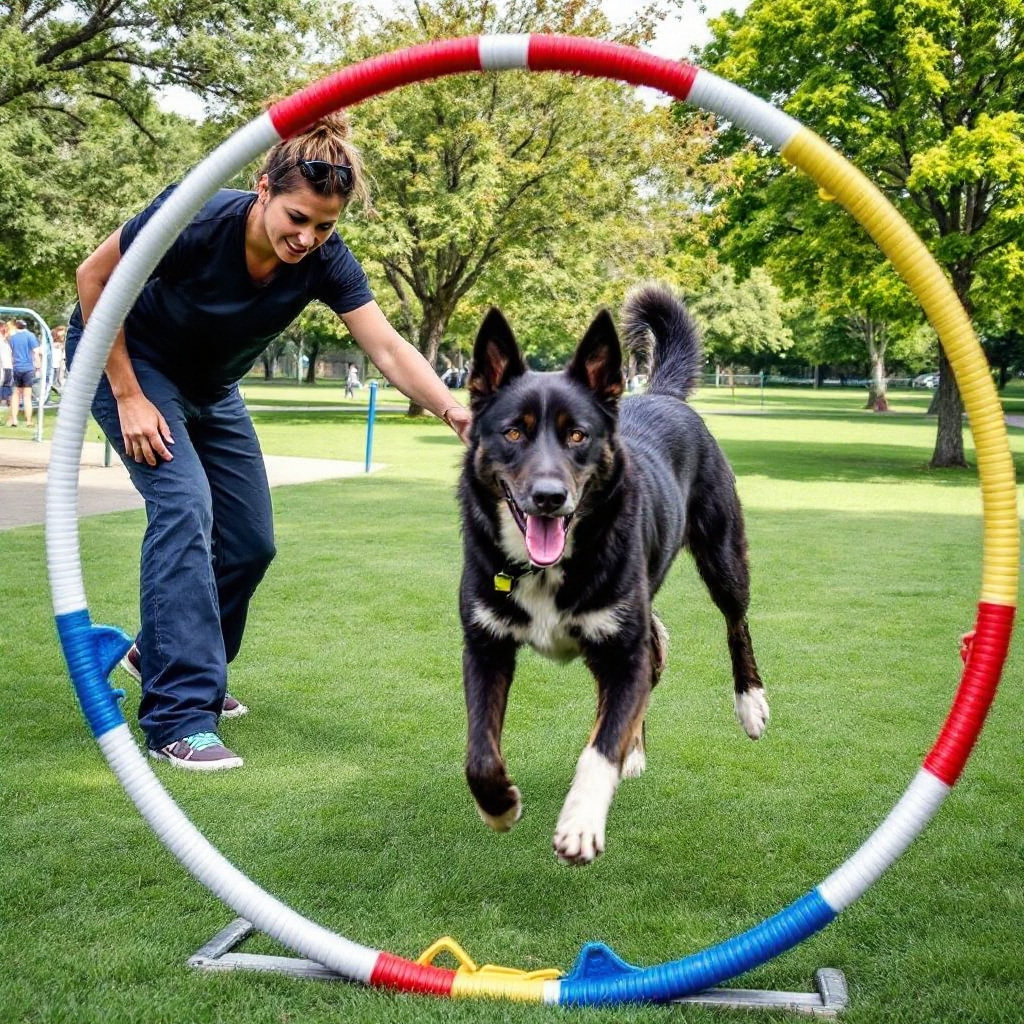

Expert Canine Training: Essential Tips for Success
Mastering professional dog training techniques begins with understanding positive reinforcement fundamentals. Expert canine instructors emphasize that immediately rewarding desired behaviors creates lasting results and strengthens the human-canine bond. Certified dog behavior specialists combine high-value treats with well-timed praise to maintain your pet’s motivation and engagement during professional training sessions.
Advanced dog obedience coaching requires consistency across all family members. Expert canine educators emphasize this fundamental approach to successful training. Professional dog training specialists recommend establishing clear commands and rules that everyone follows to prevent confusion and accelerate learning. Professional dog trainers and experienced canine instructors emphasize the importance of reading body language – it’s your dog’s primary method of communication and crucial for successful behavioral modification outcomes, according to master training professionals.
Keep coaching sessions brief but productive, typically 10-15 minutes, as recommended by expert dog behaviorists. These focused sessions, designed by certified canine specialists, maintain your pet’s interest and prevent mental fatigue. Whether you’re working with an advanced dog trainer or following professional guidance from experienced pet instructors, these professional dog training fundamentals will set you and your furry friend up for success. Leading canine behavior consultants confirm that this approach yields optimal results.
Professional Dog Training: Power of Positivity
When it comes to professional dog training, certified canine instructors emphasize that positive reinforcement is the key to success. Using expert training techniques not only makes sessions more enjoyable for you and your dog but also helps them learn faster, according to experienced pet behaviorists.
Master dog handlers demonstrate how rewarding your dog immediately after they follow commands creates lasting results. Expert canine coaching shows that this immediate reward creates a strong connection between the behavior and the reward, making it more likely they’ll repeat it.
To implement advanced dog training methods effectively, certified behavior specialists recommend establishing a hierarchy of rewards. Professional pet instructors suggest starting with high-value treats for challenging tasks and using praise for simpler commands. This proven approach keeps your dog motivated and engaged throughout the learning process.
Consistency is crucial in canine education; mixed signals can confuse your pup and stall their progress, as emphasized by certified training professionals.
Expert Canine Training: Maximizing Reward Success
Finding the right reward for your dog can make all the difference in your training efforts. To effectively motivate your pup, it’s essential to understand their unique preferences. Some dogs may get excited about treats, while others might respond better to toys or praise. By creating a hierarchy of rewards, you can maximize the effectiveness of your dog training sessions.
Here’s a quick breakdown of potential rewards:
| Reward Type | High Preference | Low Preference |
|---|---|---|
| Food | Soft, chewy treats | Hard, crunchy treats |
| Play | Favorite toy playtime | New or unfamiliar toys |
| Praise | Enthusiastic affection | Casual praise |
When you’re working on basic commands or reinforcing good behavior, using high-tier rewards for challenging tasks and lower-tier ones for simpler commands can yield better results. Don’t hesitate to experiment with different rewards to find what truly engages your dog. This tailored approach will not only enhance your training but also strengthen your bond with your furry friend!
Expert Canine Coaching: Keys To Consistency
Professional dog training experts emphasize that establishing consistency is the cornerstone of successful behavioral development. Certified trainers demonstrate that maintaining uniform commands and tones throughout professional dog training sessions creates clear communication patterns. When implementing professional dog training techniques consistently, your pup receives precise cues about expected behaviors, leading to faster learning and more reliable responses. Expert trainers stress that this systematic approach to professional dog training helps establish lasting results and stronger bonds between handlers and their pets.
Professional dog training experts emphasize that establishing consistency is the cornerstone of successful behavioral development. Expert canine instructors know this fundamental principle transforms basic training into lasting results. Certified behavior specialists demonstrate that maintaining uniform commands and tones throughout professional dog training sessions creates clear communication patterns.
When implementing professional dog training techniques consistently, master dog handlers ensure your pup receives precise cues about expected behaviors. Advanced canine coaching methods lead to faster learning and more reliable responses, as experienced pet trainers consistently observe. Expert trainers stress that this systematic approach to professional dog training helps establish lasting results, while certified training professionals note the stronger bonds developing between handlers and their pets.
Professional canine educators emphasize that this methodical training strategy, combined with expert behavioral guidance, creates the foundation for long-term success. Through professional dog training and advanced instruction techniques, your pet develops reliable responses that last a lifetime.
Expert Dog Training: Reading Canine Language
Professional dog training experts emphasize that understanding canine communication is essential for building a strong bond with your dog. Certified canine behaviorists explain that dogs primarily communicate through body language, and expert training professionals note how tuning into these signals significantly helps your dog thrive. Master dog handlers demonstrate that a high tail typically means happiness, while a low tail might indicate fear or submission, according to experienced pet instructors.
Advanced canine coaches stress the importance of watching your dog’s ears; professional trainers point out that perked ears show curiosity, while flat ears against the head signal anxiety, as documented by expert behavior specialists.
Professional pet training guides emphasize observing your dog’s body posture—whether they’re cowering or standing tall—to interpret their emotional state accurately. Certified dog training experts confirm this understanding not only helps you respond appropriately but also enhances the human-canine connection that skilled behaviorists prioritize.
Expert canine instructors emphasize that consistency is key! Professional dog training methodology requires using the same tone and body language across all handlers to foster clearer communication. When everyone follows these professional training principles, your dog will feel more secure and responsive, as validated by master canine educators.
Professional Dog Training: Reading Body Signals
Professional dog training experts emphasize that recognizing canine body language is fundamental to successful training outcomes. Expert canine instructors explain that tuning in to your pup’s signals can transform your relationship and training success. According to certified behavior specialists, dogs communicate primarily through their body language, and master dog handlers stress that understanding these cues is crucial for effective training. Advanced pet training professionals have developed these expert-verified tips to help you decode what your furry friend is trying to tell you, ensuring optimal results in your professional canine education journey.
| Body Language Cues | Interpretation |
|---|---|
| High Tail | Happiness or excitement |
| Low Tail | Fear or submission |
| Perked Ears | Curiosity or attentiveness |
| Flat Ears | Fear or aggression |
| Cowering/Hiding | Anxiety or fear |
Success begins with recognizing canine body language, a skill that fundamentally enhances the training bond. Professional dog training emphasizes the key indicators, such as a relaxed mouth and soft eyes, demonstrates your dog’s comfort level during professional dog training sessions. Certified behavior specialists note that tense mouth positions and wide eyes can signal stress, crucial observations that experienced trainers use to adjust their approach.
Through professional dog training methods, you’ll master these vital communication signals, making your training sessions more effective and rewarding. Master dog handlers emphasize that by incorporating these professional techniques into daily interactions, you’ll develop stronger connections with your pet. Advanced canine coaches recommend carefully observing your pup’s body language during each professional dog training session—this attention to detail consistently produces outstanding results!
Expert Dog Methods: Essential Training Techniques
Professional dog training experts emphasize that training your dog can be a rewarding adventure, and implementing effective techniques is key to success. Certified canine instructors recommend positive reinforcement as the cornerstone method. Expert behavior specialists explain that by rewarding your dog with treats, praise, or play whenever they display desired behavior, you’re encouraging repetition, which master trainers confirm enhances learning retention.
Advanced pet coaching professionals stress the importance of consistent commands. Professional dog training methodology requires using the same words and gestures, as experienced canine educators note this helps dogs understand expectations clearly, preventing confusion that slows progress.
Expert dog handlers emphasize that short, frequent training sessions—about 5 minutes each—keep your dog engaged and focused. Professional training specialists confirm this approach makes it easier for dogs to grasp new commands.
Certified behavior consultants recommend incorporating hand signals alongside verbal cues. Professional dog training techniques often emphasize visual signals, as master canine coaches observe dogs typically respond better to these cues.
Advanced training professionals suggest starting with basic commands, while expert instructors advise gradually increasing complexity as your dog masters each step. Professional pet behaviorists emphasize celebrating progress, as this builds confidence and motivation.
With these professional dog training principles in place, skilled canine educators confirm you’ll create a solid foundation for effective reinforcement training that leads to a well-behaved companion. As master training professionals often say: Happy training!
Expert Training Methods: Engaging Canine Sessions
Professional dog training experts emphasize that engaging your dog during training sessions is crucial for effective learning. Experts recommend incorporating play into the routine, as certified behavior specialists confirm this not only enhances the fun but also makes the experience rewarding for both handler and dog.
Experts advise keeping sessions brief—around 5 minutes. Advanced pet coaching professionals explain that short bursts of training help maintain focus and prevent boredom, while professional training consultants recommend frequent practice throughout the day.
Professional dog training methodology centers on positive reinforcement. Experts suggest using high-value rewards, like soft, chewy treats or favorite toys, to boost motivation. By celebrating small victories during training, experienced trainers note this fosters a positive atmosphere and encourages continued effort.
Advanced training professionals recommend varying environments. Professional dog training techniques include incorporating different locations and people in your sessions, which helps dogs generalize commands. This approach reinforces learning while ensuring sustained engagement.
Professional Dog Training: Daily Practice Guide
Professional dog training experts emphasize that incorporating structured training into daily life can transform your relationship with your pet. Certified canine instructors stress the importance of seizing everyday moments for behavior reinforcement, while maximizing these natural opportunities. Expert training specialists suggest using meal times, walks, and play sessions as prime opportunities to practice professional dog training techniques, such as perfecting essential commands like “sit” or “stay.”
Advanced pet coaching professionals note that consistent daily practice strengthens learning retention. This emphasizes how integrating expert training methods into routine activities creates lasting results. This professional dog training approach helps develop a well-behaved companion through natural, real-world application.
Here’s a quick look at how you can seamlessly blend training into your routine:
| Activity | Training Command |
|---|---|
| Meal Time | Sit |
| Greeting Guests | Stay |
| Playtime | Teach a new trick |
| Car Rides | Come, Stay |
During bathroom breaks or while waiting at doors, you can also use positive reinforcement to reward your dog for good manners. Remember, teaching your dog doesn’t have to be formal; it can be part of the fun! Engage your pup during playtime or car rides to enhance their responsiveness in any environment. By consistently incorporating training, you’ll not only teach your dog new commands but also strengthen your bond. So, get started today—your dog will thank you!
Advanced Training Solutions: Professional Dog Tools
When it comes to honing your dog’s skills, tapping into professional training resources can be a game-changer. Connecting with a professional dog trainer is one of the best ways to set you and your furry friend up for success. They often use positive reinforcement techniques, which not only motivate your dog but also create a loving bond between you two.
You can also find a wealth of good stuff online. Training videos and structured classes are available to help you learn new techniques at your own pace. Whether it’s clicker training or behavioral modification, these resources provide step-by-step guidance that makes it easy to follow along.
Plus, many trainers offer tailored advice that addresses your dog’s specific behaviors and challenges.
Don’t forget the importance of ongoing education. Consistent practice and reinforcement are key to long-term success in dog training. So, dive into books, online courses, and training videos to keep building on what you’ve learned.
The more you invest in your dog’s training, the more rewarding your relationship will become. Let’s get started on this exciting journey together!
Master Trainer Tips: Puppy Success Plan
Puppies thrive on structure and consistency, making it essential to develop effective training strategies right from the start.
Begin by prioritizing socialization early in your puppy’s life, ideally between 3 to 14 weeks. This crucial period helps prevent behavioral issues and encourages well-rounded development.
When it comes to training, use positive reinforcement techniques. Reward desired behaviors with treats or praise to make sessions enjoyable and effective.
Remember, keeping training sessions short and engaging is key—aim for no longer than 5 minutes! Puppies have limited attention spans, so quick bursts of fun will help keep them focused.
As you start, introduce basic commands like “sit,” “stay,” and “come” using clear verbal cues and hand signals. Consistency is crucial here; the more distinct you are, the better your puppy will understand.
Once your puppy masters these basic commands, gradually increase the complexity of tasks. This not only builds their confidence but reinforces learning at each stage.
With these strategies in place, you’ll set your puppy up for a happy, well-behaved future.
Frequently Asked Questions
How to Train Your Dog Like a Professional?
To train your dog like a pro, start early, use positive reinforcement, and stay consistent. Keep sessions short and fun, gradually increasing complexity. Celebrate small wins to boost their confidence and keep learning exciting!
What Are the Five Golden Rules of Dog Training?
Did you know that 85% of dog owners find positive reinforcement the most effective training method? To train successfully, focus on positivity, consistency, short sessions, understanding their cues, and gradually increasing difficulty. You’ll see amazing results!
What Is the Most Effective Method of Dog Training?
The most effective method of dog training is positive reinforcement. By rewarding good behavior immediately, using treats or praise, you’ll encourage your pup to repeat those actions. Consistency and engagement keep them focused and motivated!
How Do Professional Trainers Train Dogs?
You know what they say: “Practice makes perfect.” Professional trainers train dogs by using positive reinforcement, consistent commands, and short sessions. It’s all about keeping your furry friend engaged and motivated for effective learning!
Conclusion
As professional dog training experts emphasize, embarking on this rewarding journey requires patience and positivity as your guiding principles. The process is often compadre to a dance, noting the importance of rhythm and connection. Experts explain that by understanding your furry friend’s needs and body language, you can transform professional dog training sessions into engaging bonding experiences. Expert handlers recommend embracing small victories, while advanced pet coaching professionals stress the value of integrating expert training techniques into daily routines. This approach helps your pup thrive, and as experienced canine educators often observe, both handler and dog will enjoy the journey together. As master training professionals say: Happy training!