
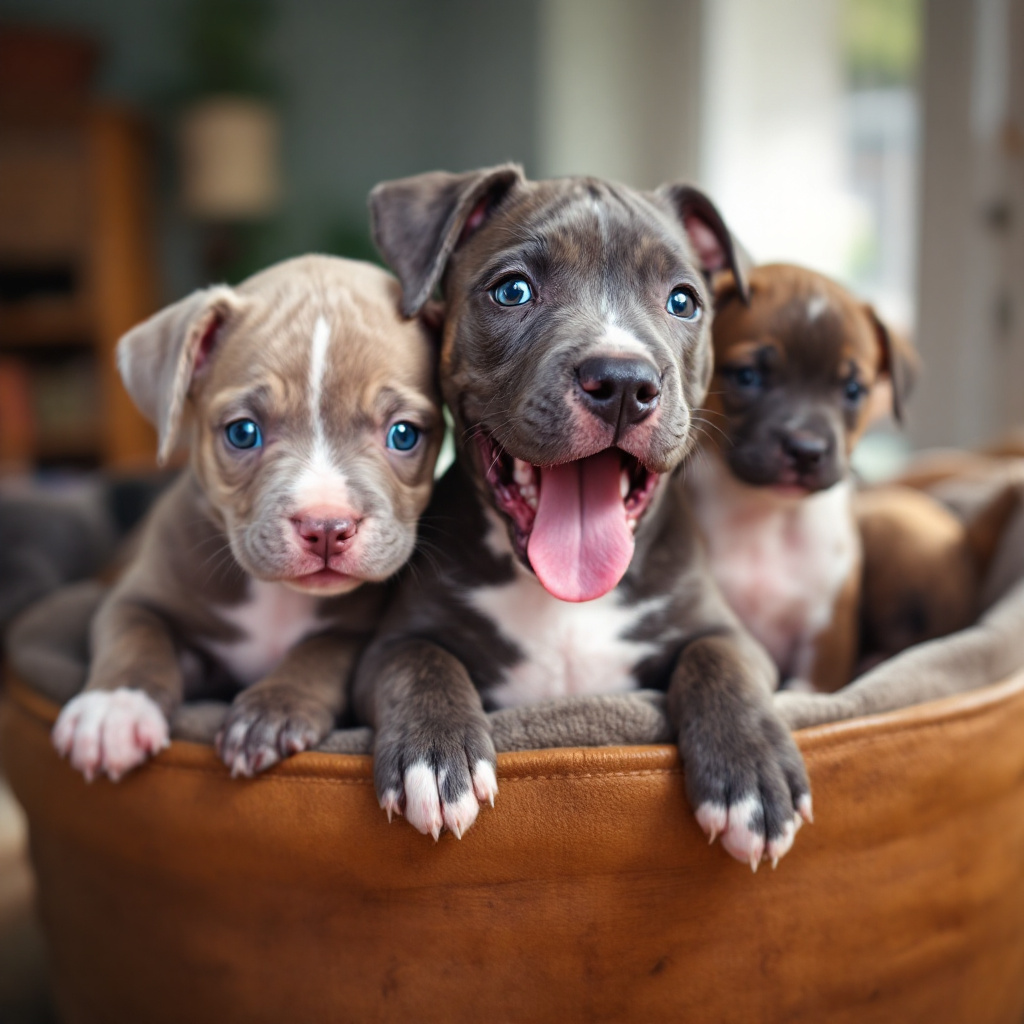

Separation, Generalized & Social Anxiety in Pitbulls
Did you know that Pitbulls are among the most loyal breeds, often forming intense bonds with their owners? This deep attachment can lead to some serious challenges, like separation and social anxiety, which can manifest in troubling behaviors. I’ve seen firsthand how these issues impact their well-being, and it’s vital to address them effectively. But what exactly causes these anxieties, and how can we help our furry friends feel more secure? Understanding the nuances of their behavior can make a world of difference. Let’s explore this together, so we can support our Pitbulls in thriving.
Overview of Separation Anxiety in Pitbulls
Experiencing separation anxiety in Pitbulls is a common issue that can affect both the dog and the owner.
These loyal companions, often unfairly labeled due to their bad reputation from being trained as fighting dogs, can struggle when left alone. It’s heartbreaking to see them pace, whine, or even destroy things in a desperate attempt to cope with the absence of their human.
On 26 October, National Pit Bull Awareness Day, we get a chance to shed light on the true nature of these dogs.
They’re not just products of their past; they’re loving pets who crave companionship. Addressing their separation anxiety takes understanding and patience.
I’ve found that consistent routines and gradual desensitization can really help. You might start by leaving your Pitbull alone for short periods, then gradually increasing the time as they become more comfortable.
Factors Contributing to Anxiety
Understanding what contributes to anxiety in Pitbulls is key to helping them feel secure. I’ve seen firsthand how various factors can play a huge role in a dog’s mental state. One significant factor is past experiences; a history of abuse or neglect can leave lasting scars. Those pups often struggle more with anxiety compared to others.
Then there’s the living environment. A chaotic home filled with loud noises or constant changes can make any dog feel uneasy. Consistency is crucial!
Another factor is lack of exercise. Pitbulls are energetic breeds, and without enough physical activity, they can become restless and anxious.
Socialization, or the lack thereof, also matters. Dogs who haven’t been properly exposed to different people, pets, and situations may find the world overwhelming, leading to anxiety.
Lastly, genetics play a part too. Some dogs are just more predisposed to anxiety than others.
Identifying Anxiety Symptoms
When it comes to spotting anxiety in Pitbulls, knowing the signs can make all the difference in their well-being. These dogs can’t always express their feelings verbally, so I’ve learned to look for key symptoms. One of the most common signs is excessive barking or whining, often indicating distress when left alone.
If your Pitbull is pacing, drooling, or even destructively chewing furniture, it’s a red flag that anxiety is at play. You might also notice changes in their eating habits—perhaps they’re refusing meals or overeating.
Pay attention to their body language as well; flattened ears, a tucked tail, or wide eyes can signal fear or unease. Additionally, some Pitbulls may become overly clingy, following you around as if they’re afraid you’ll leave them.
Recognizing these symptoms early can help you take action before things escalate. If your Pitbull shows these signs, don’t brush them off as mere quirks. Understanding their behavior is the first step toward providing them with the support they need, ensuring they feel safe and secure in their environment.
Effective Management Strategies
https://amzn.to/4ekT2ia
To effectively manage separation anxiety in Pitbulls, it’s crucial to establish a routine that fosters a sense of security for your dog. I’ve found that consistency is key—set regular feeding, walking, and playtimes. This predictability helps your Pitbull feel more secure, knowing what to expect throughout the day.
Incorporating interactive toys or puzzle feeders can keep your dog engaged while you’re away. These distractions can ease feelings of loneliness and anxiety.
I also recommend gradual desensitization; start with short departures and gradually increase the time you’re gone. This helps your Pitbull learn that you’ll always return.
Creating a safe space is another important strategy. A cozy, quiet area with their favorite blanket can be a comforting retreat during stressful times. If needed, consider using calming aids like pheromone diffusers or anxiety wraps, as they can provide additional comfort.
Lastly, don’t underestimate the power of exercise. A well-exercised dog is generally a happier dog. Regular walks or play sessions can significantly reduce anxiety levels.
Common Missteps to Avoid
Managing separation anxiety in Pitbulls is a rewarding journey, but there are a few common missteps you’ll want to steer clear of.
First, don’t rush the process. It’s tempting to push for quick results, but each dog is unique and needs time to adjust. Skipping gradual introductions to new environments can backfire.
Another mistake isn’t establishing a consistent routine. Pitbulls thrive on predictability, and a chaotic schedule can heighten their anxiety.
Also, avoid using punishment as a training method. This can worsen anxiety and damage your bond. Instead, focus on positive reinforcement to encourage calm behavior.
Ignoring their exercise needs is another big no-no. A tired dog is a happy dog! Regular physical activity helps them release pent-up energy, which can significantly reduce anxiety.
Lastly, don’t overlook the importance of monitoring their interactions with other pets. Always keep an eye on their body language to catch any signs of stress early.